 Limited spots, unlimited potential.

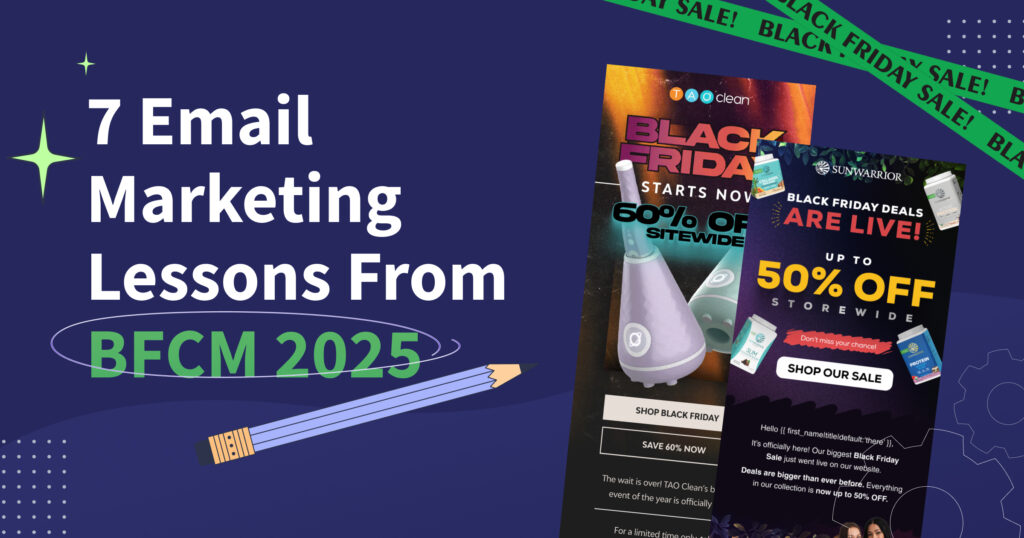
This year, 40 brands trusted us to execute their Black Friday and Cyber Monday email strategies. Together, we sent over 850 emails announcing the hottest sales to around 106 million people, generating a combined $50 million in revenue.
After the whirlwind of the season, our team came together to analyze what worked, what didn’t, and what surprised us. Here are the 7 key lessons we’re taking from this year’s BFCM, and how you can apply them to crush it in 2026. Because the best holiday season starts at the end of the one before. Trust us…we know.
Lesson #1: Start Planning Early
- What we learned: Early planning benefits everyone. At Hustler, we begin developing client strategies as early as August. Initial deliverables are ready by September, and campaigns are scheduled about five days before launch after a careful review.
- Why it matters: Planning ahead allows you to approach strategy with a clear head instead of under pressure. Scheduling campaigns in advance also mitigates stress and protects against platform outages. For example, Amazon Web Services (AWS) and tools like Klaviyo have experienced downtime in past seasons. Scheduled campaigns ensure emails go out even if the platform is temporarily down.
- Real example: One client shared this comment right after Black Friday.

- How to apply it for 2026: Gather insights from this year and save them for Q3 2026. Begin planning early, schedule campaigns in advance, and spend the season monitoring sales, not scrambling to send emails.
Lesson #2: Start your Sales Early
- What we learned: By the fourth Friday in November, many shoppers are already spending elsewhere. Early, email-exclusive “Early Bird” sales starting in early November can capture attention before wallets run dry.
- Why it matters: Early campaigns test interest, relieve shipping stress, and ensure timely delivery before Christmas. Pre-sale opt-ins build anticipation, create exclusivity, and identify your most loyal customers.
- Real example: One client’s Early Birds email, sent November 5, drove significant early engagement and revenue.

- How to apply it for 2026: Review your 2025 performance: traffic trends before Black Friday, teaser email results, and competitor timing. Segment top customers and create a VIP list for early access.
Lesson #3: Do a Temperature Check
- What we learned: Understanding your list behavior beforehand helps predict Black Friday performance.
- Why it matters: If your list is growing rapidly, consider gradually spacing emails to avoid crashing your site. If engagement is low, supplement email with top-of-funnel advertising.
- Real example: One client generated over $2 million from new customers through Meta ads during BFCM.

- How to apply it for 2026: Analyze your 2025 list: buyers, repeat buyers, engaged non-buyers, and new customers. Compare trends to previous periods, and adjust campaigns and ad spend accordingly.
Lesson #4: Work smarter, not harder
- What we learned: Leverage all the functionality of your ESP to create personalized funnels.
- Why it matters: Instead of blasting emails to everyone, target users based on behavior. Examples include Black Friday-specific Checkout Abandonment flows showing browsed products or Welcome flows with instant discount codes.
- Real example: A client’s Black Friday Welcome flow delivered discount codes immediately to new subscribers, driving instant purchases without waiting for a newsletter.

- How to apply it for 2026: Test personalized flows for other sales events throughout the year, they’re a simple way to increase revenue.
Lesson #5: Implement ultra-urgency
- What we learned: Certain niches respond strongly to limited-time offers lasting only a few hours rather than a full day.
- Why it matters: Ultra-urgency creates high engagement. Subscribers anticipate emails and click immediately to secure deals.
- Real example: A supplement brand offered discounts that decreased over time, prompting immediate purchases.


- How to apply it for 2026: Test this approach with a campaign in Q1 or Q2—the results can be surprisingly strong.
Lesson #6: Subject lines make it or break it.
- What we learned: During the holiday season, inboxes are crowded. Generic subject lines like “Last Chance!” are easily ignored.
- Why it matters: Your subject line determines whether your email is opened. Even the best offer won’t perform if no one sees it.
- Real example: A/B testing of subject lines revealed a clear winner for one client’s campaign, impacting open rates and revenue.

- How to apply it for 2026: Test different subject line strategies early in the year to learn what resonates with your audience.
Lesson #7: Watch your tone
- What we learned: Emails should focus on the problem your product solves, not just the sale.
- Why it matters: A strong brand voice is crucial year-round, but it’s most impactful during BFCM. Customers connect with solutions, not just discounts.
- Real example: A client used a simple subject line and preheader that addressed a customer problem before presenting the product as the solution.

- How to apply it for 2026: Highlight the problem your product solves in your messaging, not just the product itself.
The common thread across all 7 lessons? Strategize to stand out. With this mindset, your 2026 Black Friday and Cyber Monday plan will reach a whole new level. Think we missed something? Share your thoughts in the comments below.